Paleontology
What dinosaur eggs reveal about life before hatching
Fossil eggs found in France, India and other nesting grounds preserve clues about how dinosaurs reproduced, developed and cared for their young.
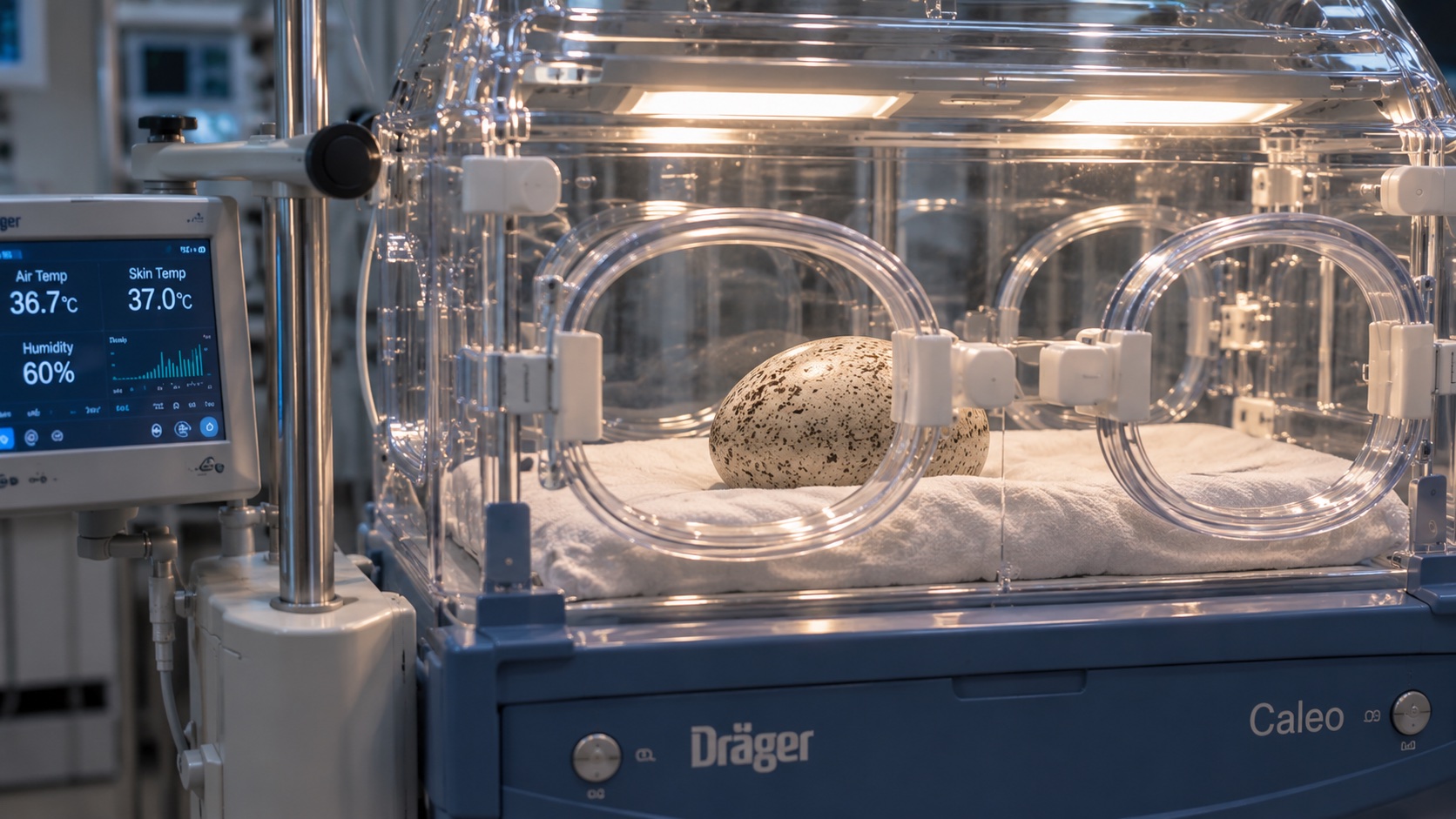
A dinosaur egg can preserve far more than the outline of a shell. Its size, shape, surface and position in a nest can help paleontologists identify the kind of dinosaur that laid it and reconstruct what happened at the nesting ground millions of years ago.
About 100 fossilized eggs recently uncovered near Mèze in southern France date to roughly 72 million years ago. The rounded eggs are about the size of small melons. Geologist Alain Cabot believes titanosaurs, a group of long-necked plant eaters, laid many of them.
Researchers have not reported embryos inside the new Mèze eggs, so the identity of the parent dinosaurs remains provisional. Paleontologists can compare shell thickness, microscopic structure and surface patterns with eggs from other sites, but an embryo offers much stronger evidence.
During a 2025 field expedition near General Roca in Argentine Patagonia, paleontologists found an unusually intact carnivorous dinosaur egg about 70 million years old. The team said the egg may contain a fossilized embryo and plans to examine it with a computed tomography scan. If an embryo is present, the scan could show whether the dinosaur was close to hatching when it was buried. The egg cannot hatch today. Fossilization replaced its biological material with minerals, so no living embryo or viable cells remain inside it.
How an egg becomes a fossil
Most dinosaur eggs never fossilized. Scavengers could eat them, hatchlings could break the shells, and weather could scatter the fragments. Preservation required rapid burial by sediment, mud or volcanic material before the egg disappeared.
At Mèze, ancient rivers may have flooded a nesting ground and covered the eggs with sediment. Minerals later replaced or filled parts of the original material. The result is a stone fossil rather than an egg that could still hatch.
Modern laboratories use computed tomography scans, microscopes and chemical analysis to examine these fossils. Scans can reveal bones without breaking a rare egg open. Eggshell pores can show whether a dinosaur likely buried its clutch or left it exposed for an adult to brood.
Rare embryos record dinosaur development
Embryos are among the rarest dinosaur fossils. A clutch of Massospondylus eggs found in South Africa contains embryos about 190 million years old. Detailed scans showed tiny developing teeth and suggested the embryos were only about 60% through incubation when they were buried.
Fossil nests also record behavior. Some oviraptorosaurs died crouched over their clutches, evidence that they brooded eggs in a bird-like posture. Dense titanosaur nesting sites in India suggest that large sauropods laid many eggs close together, possibly returning to the same broad nesting areas over time.
The number and arrangement of eggs can also hint at parental care. A ring-shaped nest may have allowed a heavy dinosaur to warm a clutch without crushing it. Other species may have buried their eggs in sand or vegetation and left the hatchlings to fend for themselves.
Fossil eggs do not contain living dinosaur embryos or usable DNA. Their value lies in the physical record they preserve. Each shell, nest and embryo adds a small piece to the story of how dinosaurs reproduced before the mass extinction 66 million years ago.
Sources include reporting on the Mèze discovery by People, research information from the Mèze Dinosaur Museum-Park, coverage of the Patagonia egg by El País, and dinosaur egg research from the Natural History Museum.